
How to Plan a Safari in Kenya Step by Step (First-Time Guide)
Planning a safari in Kenya is one of the best travel experiences in Africa. Kenya is famous for breathtaking wildlife, beautiful landscapes and unforgettable game drives. However, many first-time travelers struggle with choosing parks, accommodation, transport and safari packages. Learning How to Plan a Safari in Kenya helps you avoid costly mistakes and enjoy a smooth travel experience.
Whether you want a luxury adventure or an affordable Kenya wildlife safari, proper planning makes your trip easier and more enjoyable. With guidance from trusted safari experts like www.masaiafricasafaris.co.ke, choosing the right safari package becomes simple and stress-free.
Choose the Best Safari Destination in Kenya.
Choosing the right safari destination is the first step when planning your trip. Different parks offer unique wildlife experiences, landscapes and safari activities. Some travelers prefer the Big Five, while others look for scenic beauty or cultural experiences.
Some of the top safari destinations in Kenya include:
- Maasai Mara National Reserve – Famous for the Great Migration and Big Five safaris
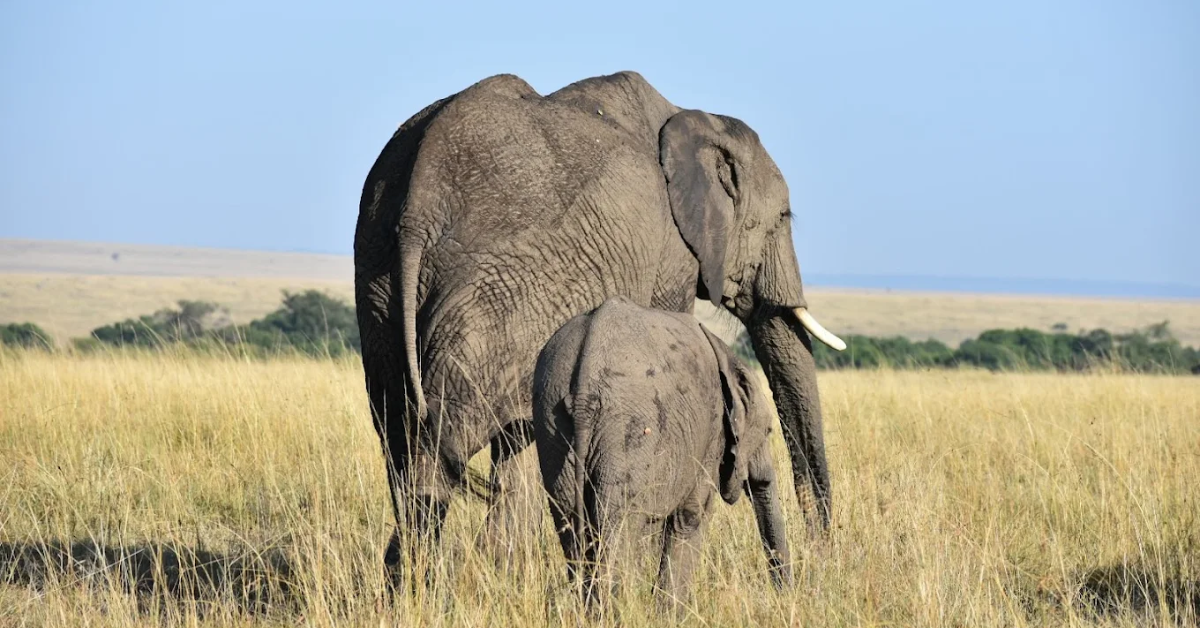
- Amboseli National Park – Known for elephants and Mount Kilimanjaro views
- Tsavo National Park – Ideal for large landscapes and red elephants
- Lake Nakuru National Park – Popular for flamingos and rhino sightings
- Samburu National Reserve – Perfect for rare northern Kenya wildlife species
For first-time travelers, Maasai Mara remains one of the best safari destinations because of its rich wildlife and exciting game drives.
Decide the Best Time to Visit Kenya.
The time you choose to travel affects wildlife viewing and accommodation prices. Kenya remains a year-round safari destination, although some seasons provide better game-viewing opportunities. The best months for a Kenya safari are usually between June and October. During this period, travelers can witness the Great Migration in Maasai Mara. The dry season also makes it easier to spot wildlife around water sources.
The green season between November and May offers fewer crowds, greener landscapes, and lower accommodation rates.
When deciding the best travel season, consider:
- Wildlife viewing opportunities.
- Weather conditions.
- Accommodation availability.
- Your safari budget.
- Preferred travel experiences.
Set a Realistic Safari Budget.
Budget planning is an important part of learning How to Plan a Safari in Kenya. Safari costs vary depending on accommodation type, transport, travel season and the number of parks included in your itinerary.
Luxury safaris often include premium lodges, private vehicles and personalized services. Meanwhile, mid-range and budget safaris provide affordable alternatives without compromising the safari experience.
Your safari budget should include:
- Accommodation and meals.
- Park entry fees.
- Transport and game drives.
- Flights or road transfers.
- Travel insurance.
- Personal expenses and tips.
Choose the Right Kenya Safari Package.
Choosing the right safari package simplifies travel planning. Kenya offers safari options for solo travelers, couples, families and groups. Some safari packages focus mainly on wildlife viewing. Others combine beach holidays, cultural tours and adventure activities.
Before booking your safari package, consider:
- Number of travel days.
- Accommodation preference.
- Private or group safari options.
- Wildlife parks included.
- Activities offered during the safari.
Trusted safari companies like www.masaiafricasafaris.co.ke help travelers choose suitable safari packages with ease.
Book the Right Safari Accommodation.
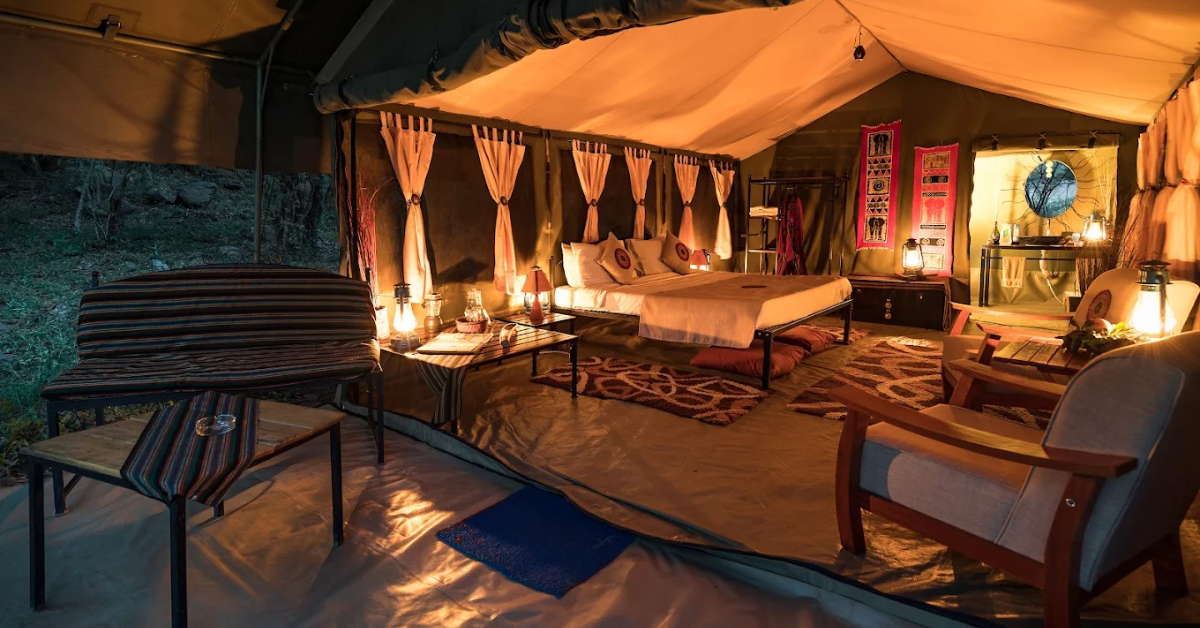
Accommodation plays a major role in your safari experience because it affects comfort and convenience. Kenya offers luxury lodges, tented camps, eco-lodges and budget campsites for different travel styles and budgets.
Luxury safari lodges provide spacious rooms, excellent dining and scenic views. Meanwhile, tented camps create a more adventurous safari atmosphere while still offering modern comfort.
Popular safari accommodation options include:
- Luxury safari lodges with premium amenities
- Mid-range tented camps with comfortable facilities
- Budget campsites for affordable adventures
- Eco-lodges for nature-focused experiences
Pack Smart for Your Kenya Safari.
Packing correctly improves comfort during your safari. Kenya’s safari weather changes throughout the day, especially during morning and evening game drives.
Important safari items include:
- Neutral-colored clothing.
- Comfortable walking shoes.
- Sunscreen and sunglasses.
- Camera and binoculars.
- Travel documents.
- Lightweight jackets.
Follow Important Safari Safety Tips.
Safety remains very important during every Kenya wildlife safari. Visitors should always follow instructions from professional safari guides because wild animals move freely inside national parks. Professional guides understand animal behavior and know how to handle different situations during game drives.
During your safari:
- Stay inside the safari vehicle unless instructed otherwise.
- Avoid feeding or provoking animals.
- Keep noise levels low during game drives.
- Follow park rules and guide instructions.
- Store valuables safely during travel.
Book with a Trusted Safari Company.
Choosing an experienced safari company makes safari planning easier and stress-free. Reliable safari operators help organize accommodation, transport, park entry fees and professional guides.
Before booking your safari, compare customer reviews, package inclusions and safari itineraries carefully. For professionally organized Kenya safari packages, visit www.masaiafricasafaris.co.ke and start planning your next safari adventure today.
FAQs About How to Plan a Safari in Kenya.
1. What is the best safari park in Kenya for beginners?
Maasai Mara National Reserve is one of the best safari parks for first-time visitors because of its rich wildlife and exciting game drives.
2. How much does a Kenya safari cost?
Safari costs vary depending on accommodation, travel season, transport, and the number of days included in the package.
3. What is the best month for a Kenya safari?
June to October is considered the best safari season because of excellent wildlife viewing and the Great Migration.
4. How many days are enough for a Kenya safari?
A safari lasting between 4 and 7 days provides enough time to explore major parks and enjoy multiple game drives.
5. What should I pack for a Kenya safari?
Pack comfortable neutral-colored clothes, walking shoes, sunscreen, binoculars, a camera and travel essentials for a comfortable safari experience.
